
More than One Life to Live:
Soap Operas, Gaming, & Death
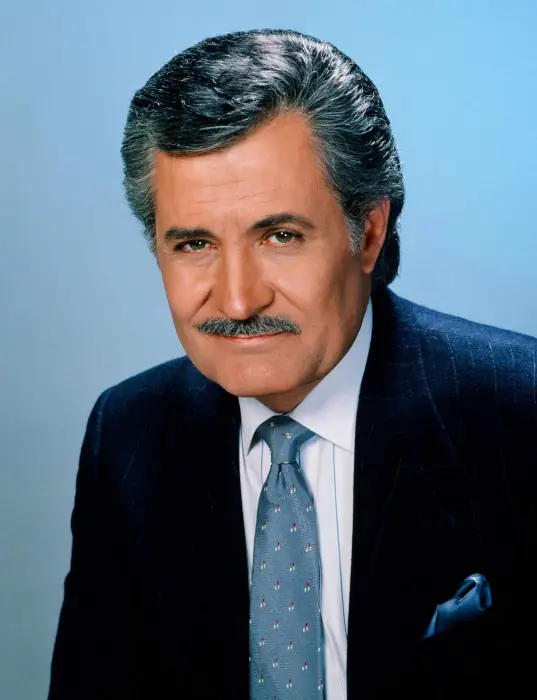
Portrait of John Aniston from TV Tropes (resized) is licensed under CC BY-NC-SA 3.0
After decades of practice with all kinds of casualties, soap operas can help you manage deaths better in your tales and games. In a TTRPG, you never know when a roll of the dice will lead to a character's untimely end, but soaps model ways to make it memorable. And a preplanned demise can be just what the script doctor ordered for a flagging story. Taking a character out of play - temporarily or permanently - can cascade across the entire setting. And as long as the audience keeps coming back for more, soaps insist you can worry less about getting details right and focus on entertaining people right now.
Send-offs Should be Dramatic
Navigating the Descent
A character doesn't get written off a soap series by dying every day, so the writers usually go out of their way to make it powerful. The tangled web of ongoing plots goes still as loved ones, rivals, and villains drop what they're doing to respond to the dire news. Actors go all-in: shocked expressions are big but believable, tears and fears are fine-tuned and touching. Since a demise usually takes multiple episodes to resolve, everyone gets their moment in the spotlight. The same basic structure can be used to usher any character out. It's easier to go through all the stages when an exit is planned ahead of time, but you can pick any death up after The Main Event phase and proceed from there. And don't worry: everything else going on in your game doesn't have to stop and not every character needs to be affected. Showing what is changed and who's knocked off their axis can be enough.
The Lead-Up
When a soap opera character is grievously injured but doesn't expire right away, news will travel in scenes that follow. Some may try to get to them in time to save them or say goodbye, which creates tension for the audience. Will they make it? Can they make a difference? Until the character passes, it's possible they could recover.
GMs should be prepared for the party to go out of their way to save another PC and key NPCs. This can be a good reason to tell players when a PC is being "written out" on purpose. And be careful about doing this with NPCs who are closely connected to the player characters. As I've discussed before, players can deeply resent when their favorite NPCs are harmed. Consider any such move carefully and discuss it with the group first. If they react poorly, choose an NPC they aren't very attached to or try something else instead.
The Main Event
If the final decline happens on-screen, it's bound to become a dramatic high point. The dying character's actor chews up the scene with their last choices and expressions. It's time to say loving goodbyes, express lasting regrets, or reveal all manner of secrets. All other characters nearby have a chance to shine as they react not just to the final moments but to each other.
In a roleplaying game, "on-screen" means during a scene where one or more PCs are present. If the entire party attends a death scene, more time can be devoted to it. If some PCs are absent and uninterested, there are several possibilities:
The GM can play out the scene with the appropriate players during a separate, shorter session or before the full group game.
The GM can focus on the departure briefly while the inactive players do something else.
The GM can switch to other scenes for PCs who are elsewhere.
Regardless of who's there, the dying character can use their final moments to bequeath gifts, deliver quests, or uncover mysteries. The best advice for a GM is to avoid strong-arming the PCs into any promises. If necessary, a dying character can ask for someone to look into a matter or see it through. Make it clear that it doesn't have to be the PCs - the outcome is what they value most. Letting the group decide to take it on will avoid problems later on.
Having the PCs present doesn't have to interrupt a planned exit. A final demise can occur even when high-powered characters with powerful means like the PCs can affect the outcome. All it takes is for them to arrive a moment too late, the body to be out of reach, or the dying character to insist on being allowed to pass on. This should definitely be the case if a player is leaving and doesn't want their character to be portrayed by anyone else.
A final note: If anyone in the group has dealt with a painful loss in real life recently, it's best to discuss any planned exits with them beforehand. They could welcome a bit of fictional catharsis or they could want none of it. As with death in Real LifeTM, things will go more smoothly if folks make their wishes known before the Grim Reaper makes an appearance.
The Shockwave
As news of a death spreads on a soap opera, everyone who hears it reacts in some way and many have plenty to say. Those who didn't know the deceased hear about them in memories and rumors and get to see how others cope. The loss could hurt relationships as characters withdraw or put off events like engagements or weddings. On the other hand, it could bring characters closer, including ones who weren't very close before the loss.
Those who knew the deceased well may react in ways that surprise the audience. Some may fall back into bad habits or lash out at others. Even kind characters could make poor decisions as they mourn. Some characters will be inspired to change or implement their plans, alter their appearance, or move house, for better or worse. If the death seems suspicious immediately or later on, these characters will usually be involved, along with any who are required to do the job. Investigations can extend the shockwave into the future, but even natural deaths echo. Ongoing stories centered around the deceased may come to an end or other characters could keep them going, including ones the audience doesn't expect. Eventually the impact largely peters out.
This phenomenon can bring a priceless dose of verisimilitude to a TTRPG, but it shouldn't be oversimplified or overdone. Some characters won't know or care, some will respond with anger or a celebratory air, and some will suppress their feelings. Sadness may be a widespread response but it shouldn't be the only one or last forever. Sooner rather than later, everyday life will reassert itself for most. A way to signal that the story is moving on is to involve the characters in a memorial, but it's worth noting that the shockwave can continue beyond it
The Memorial
Soap operas can put the "fun" in "funeral" as friends and enemies gather to pay homage to the dead. Whispered conversations probably include rumors and schemes, and few things are as scandalous as an angry outburst or irreverent eulogy. If you want drama, a memorial service, graveside ritual, or reception can be an interesting stage. Decorum could keep the worst at bay, but arguing, flirting, lying, and more could happen before the gathering ends.
When a death has been a focal point on a soap, it's usually followed up by a primary memorial. It's often the general ending point for the character's influence, with only minor loose ends being tied up later. If there are suspicious circumstances or a battle over inheritance, their demise can echo for months before things settle down. Some have secondary memorials later as things are dedicated to their memory, like hospital wings, or their old plans become reality. Their names arise again, a few memories are shared, and life moves on.
Not every end in a tabletop game needs all this to-do. PCs may hear about the passing of NPCs after they've already been resolved or they may have to leave before a service occurs. But if a character's demise has resonated with the PCs - or the GM hopes it will - a funeral can be a poignant capstone. If a casualty is the hook for a broader plot, a memorial can be a notable milestone on the investigative journey.
Why Do This?
Aside from murder mysteries and red herrings, soaps show us that the cause of death only matters so much. Not every end is a murder, and sometimes there's nothing more to be done. How long it takes for a character to expire doesn't matter much in the final tally, either. What matters most depends on why a character is dying, which bears keeping in mind for TTRPGs.
A Temporary "Retirement"
No matter how much fans love a show or players love a game, they can get bored with certain characters. "Familiarity breeds contempt" is a saying for a reason. The longer a character takes part in a story, the more crowded their timeline becomes; after years, it can feel like they've been through everything. Soap operas remind us that it's okay to take breaks. And while a character can move out and move on with their lives somewhere else (as we discussed previously), having them die will almost always be the more dramatic option. But with the options of many TTRPGs, no death has to be forever.
Bringing Home Consequences
When the dice take a character out, it's a matter of bad luck, uneven odds, or poor choices. These circumstances can be more interesting when other characters have the chance to respond to the end result. Highlighting the demise can give a meaningless death a sense of purpose. Even if there was nothing more the characters could have done to save someone, they decide what they do in the aftermath. And when all is said and done, every passing serves a narrative purpose as it becomes part of the larger story.
Catering to A Player's Request
It isn't unheard of for players to want their own characters to die. If they're bored or more interested in playing someone else, they may not want to wait until the end of the campaign. A player who's leaving a group may want to co-author their character's end. Some will want their avatar to go out in a blaze of glory or a crescendo of self-sacrifice. After all, a memorable death is one of the surest ways to become a hero. Regardless of their motive, there are few good reasons to deny a player's request for their character's passing. What may seem morbid to some can easily become the stuff of legends in a game's chronicle.
In Tribute to the Fallen
Once upon a time in the 1970s, John Aniston made the rounds as an actor on daytime serials. Then he landed the role of crime boss Victor Kiriakis on Days of Our Lives in 1985, when I tuned in whenever I wasn't at school on weekdays. He's the handsome man in the portrait at the top of this page. He went on to portray the elegant, iconic Kiriakis in over 3,000 episodes until his death on November 11, 2022 at the age of 89. But episodes featuring Victor aired for over a month after Aniston's death because the show was filmed 6 months in advance. None of them included anything about Victor's end, however.
When an actor passes and their character is in a soap opera's main lineup, a send-off is virtually guaranteed. When the actor of an iconic character dies, both will be remembered on and off-screen. After Aniston passed, a slew of articles reported his career and speculated about what would happen to Victor. His final appearance was followed by a retrospective of his 37 years on the series.
And eventually, the show went through most of the process outlined above:
First, everyone worried when Victor didn't come home from a trip abroad.
Then, they were shocked to hear he'd died in a plane crash.
Eventually, Victor's family held an on-screen memorial service.
In the immediate aftermath, a long-lost son was revealed, along with concerns about tampering with his final will.
A year later, a flashback revealed Victor had drafted a new will, and the series uncovered evidence that the plane crash was no accident.
Louise Sorrel - whose villainous iconic character Vivian Alamain returned during Victor's wake - said it felt like they were memorializing Aniston as well. After working together for such a long time, the memorial served its purpose for the actors, too.
When Gamers Die
Similar moves can be made in a roleplaying group, if and when there's a need. Unfortunately, members can pass suddenly, leaving their friends stunned and unsure of how to proceed. Even if there's advance warning and time to say goodbye, it can be difficult to go back to a regularly scheduled game without them. A hobby can seem unimportant when compared with real-world concerns, but somewhere along the line, ongoing campaigns will have to be addressed by those who are left to play them. It's best to discuss the options with everyone, but the good news is that there are options.
Put Off Playing
If it's too painful to continue, a campaign can be brought to a premature but purposeful end. A final session can be held for those who are up for it, as long as everyone approves. If not, the GM can create or collaborate on an epilogue that satisfies everyone as much as they can be, given the circumstances.
If people need some time before continuing, a game can be put on the back burner for a while. Trying something else could be a welcome change. The group can pencil in a date to discuss things in the future, but it's okay to put off making decisions until everyone on board agrees to restart the campaign. And if someone can't bring themselves to rejoin the campaign or group, hopefully their choice will be accepted with grace, too.
Find Ways to Continue On
If dealing with a departed player's character again during play feels uncomfortable, the game's events can continue after they've left. Important items and plots can be redistributed or set aside. If the group wants an epilogue, the GM or group can come up with a suitable end for the character. Maybe they retire elsewhere, join another party, or start a venture they were interested in. The character doesn't have to perish simply because their player has.
If it's bearable, the departed player's character could become a recurring NPC. It's probably best if they make brief appearances, since no one else will portray them quite like their original player. It's also ideal to already have the player's permission or that of a family member, but a brief and respectful tribute probably won't be resented.
If the group is up for it, the departed player's character can be given a soap opera send-off. Everyone should agree on a stage to start with so the GM has a hint of how much they want to experience. I imagine few groups will be up for roleplaying through The Main Event, and it isn't necessary; you can move from The Lead-Up to The Shockwave seamlessly. But if a group insists on trying, it may be helpful to think of film: zoom out, keep the PCs at a distance, and let them marvel at their comrade's fall. Playing through a memorial service may feel too odd or may be just what people need. If at any stage someone expresses a desire to speed or lighten things up, take it seriously. It doesn't have to take long to resolve characters left behind in shared worlds of make-believe.
No One has to be Gone Forever
As with comic books, deaths in soap operas aren't always permanent. Despite how final a death can seem, it can be revised when the time is right. Unlike comics, however, soap operas are usually set on Earth, without much in the way of magic or fantastic elements. Some stories push the boundaries of medical science and plausibility, but that's usually as far as it goes.
But realism is never as important as drama on soap operas. If a murder will boost ratings, the writers will make it happen. If a character is getting stale, they can fake their own death and return when it will shock viewers most. Fans will forgive even the craziest twists if they have fun watching the fallout. Ultimately, what matters most is immersion and catharsis. The audience is there for diversion, spectacle, and the emotional ride, not real-world science or history lessons. This is also true for many TTRPG groups, as well, at least to some extent.
Even characters who are sick of the setting and leave dramatically might have to return against their will. In these cases, reluctance, disgust, and dismay are likely. They might even plan to leave again as soon as their business is done - but just when they think they've found a way out, something else pulls them back in. This can add a level of realism to characters, whether they're PCs or NPCs. Not everyone feels like they have a choice about dealing with a situation they left behind. Some crawl back when they have nowhere else to go or after they tried to set up shop somewhere else but it didn't work out. Regardless of how or why, nearly anyone who's been written out can be woven in again.
At Your Table
In tabletop games, reviving and returning characters should usually be done sporadically and thoughtfully. If death never sticks, how will it have any impact? If characters pop in and out all the time, it'll soon be difficult for a GM to keep track of them.
It's always good to ask the following questions first:
What does the group or story stand to gain by an absent character's return?
Is it worth the trouble that will be necessary to bring them back?
Is there enough narrative space, or will this twist overload the group?
Before you reject soap opera methods, consider the milieu and system you're using. Some TTRPGs make character death final but many actually don't, when you consider all the options. Few games and settings utterly forbid characters from leaving or returning. There may be consequences, but they can stay or go. If these ideas interest you, you can probably justify them in your present chronicle or do so easily with another game. And remember: as long as your group is engaged, you can add a dash of soap opera drama to just about any tale without spoiling the dish.
<< Soaps & Handing Characters Soaps & Story Creation >>